

In the fast-evolving landscape of industrial automation, electric vehicles, and precision engineering, the demand for reliable motor testing and torque control systems has never been higher. At the intersection of innovation and practicality lie technologies like hysteresis brakes, hysteresis dynamometers, hysteresis clutches, and integrated motor test systems. https://www.validynamics.com/ form the backbone of industries that depend on accurate measurements, repeatable results, and robust performance. Let’s explore how these technologies are reshaping modern engineering.
THE SCIENCE OF HYSTERESIS: A CORNERSTONE OF PRECISION
Hysteresis, derived from the Greek word for \"lagging behind,\" refers to the phenomenon where a material’s magnetization lags behind the applied magnetic field. This principle is ingeniously harnessed in hysteresis brakes, clutches, and dynamometers to achieve non-contact torque control. Unlike mechanical friction-based systems, hysteresis devices offer wear-free operation, making them ideal for applications requiring longevity and minimal maintenance.
Hysteresis Brakes: Silent Workhorses of Torque Control
Modern hysteresis brakes are marvels of electromagnetic engineering. When precision matters—whether in winding tension control for paper manufacturing or load simulation in aerospace component testing—these brakes deliver smooth, adjustable torque without physical contact. Key advantages include:
- Zero mechanical wear due to absence of friction surfaces
- Instantaneous torque adjustment via current control
- Silent operation critical for laboratory environments
- Linear torque-speed characteristics for predictable performance
Aerospace manufacturers, for instance, rely on hysteresis brakes to simulate aerodynamic loads during flap actuator testing. The ability to maintain consistent torque at varying RPMs ensures accurate replication of real-world conditions.
Hysteresis Dynamometers: The Gold Standard in Power Measurement
In motor testing applications ranging from micro-motors in medical devices to massive EV traction motors, hysteresis dynamometers provide unparalleled measurement accuracy. Their unique ability to absorb and measure power across wide speed ranges makes them indispensable for:
- Efficiency mapping of electric motors
- Endurance testing under controlled load conditions
- Regenerative energy absorption in EV battery testing
A leading EV manufacturer recently implemented a 500kW hysteresis dynamometer system to validate motor performance under extreme temperature conditions. The system’s 0.2% torque measurement accuracy and 10,000 RPM capability proved crucial in certifying motors for arctic and desert deployments.
Hysteresis Clutches: Precision Power Transmission Redefined
Bridging the gap between mechanical and electromagnetic systems, hysteresis clutches enable:
- Slip-controlled torque transmission in packaging machinery
- Shock-free engagement in precision robotics
- Overload protection in conveyor systems
Food processing lines benefit particularly from these clutches’ ability to maintain constant tension in wrapping machines, preventing product deformation while accommodating sudden speed changes.
MOTOR DYNAMOMETERS: BEYOND BASIC TESTING
Modern motor dynamometers have evolved into complete characterization systems. Advanced units now integrate:
- Real-time efficiency calculations
- Harmonic distortion analysis
- Thermal profiling with infrared synchronization
- Automated test sequences compliant with IEC 60034 standards
A case study from the HVAC industry demonstrates this evolution. A compressor manufacturer reduced validation time by 40% after adopting a motor dynamometer system with integrated AI-driven predictive maintenance features. The system’s ability to detect bearing wear patterns during routine efficiency tests prevented three catastrophic failures in the first year of operation.
MOTOR TEST EQUIPMENT: BUILDING BLOCKS OF QUALITY ASSURANCE
Comprehensive motor testing requires a symphony of specialized equipment:
1. Programmable power supplies replicating grid anomalies
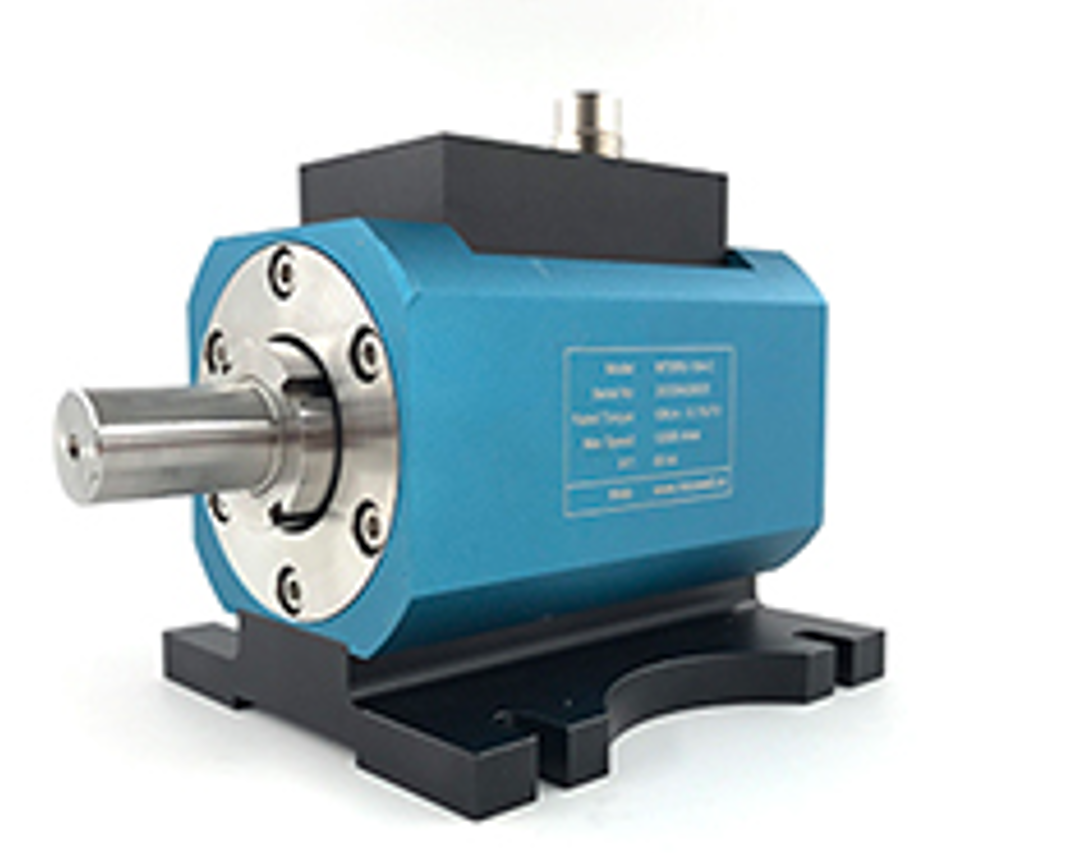
2. High-bandwidth torque transducers
3. Multi-channel data acquisition systems
4. Environmental chambers for thermal cycling
5. NVH (Noise, Vibration, Harshness) analysis suites

The integration of these components into cohesive motor test systems enables manufacturers to:
- Validate performance across operating envelopes
- Accelerate certification processes
- Gather data for digital twin simulations
- Implement machine learning-driven quality control
A robotic actuator producer achieved 99.98% field reliability by combining hysteresis-based load banks with vibration spectral analysis, detecting subtle winding imperfections missed by traditional testing methods.
ADVANCED MOTOR TEST SYSTEMS: INTEGRATION IS KEY
Next-generation motor test systems combine hysteresis components with smart technologies:
- IoT connectivity for remote monitoring
- Digital twin synchronization
- Energy recovery systems reducing test facility power consumption
- Augmented reality interfaces for operator guidance
An industrial motor manufacturer implemented a fully automated test cell using hysteresis dynamometers and AI analysis. The system reduced test cycle time from 45 to 12 minutes while increasing data points collected by 800%, significantly enhancing their predictive maintenance capabilities.
INDUSTRY-SPECIFIC APPLICATIONS
Automotive Electrification
EV powertrain testing demands systems capable of handling:
- High torque at low RPM for city driving simulations
- Rapid charge/discharge cycles for regenerative braking analysis
- Multi-axial load profiles mimicking hill ascents and descents
Hysteresis-based dynamometer systems with 2ms response times now enable real-world driving condition emulation in lab environments, crucial for extending battery life through optimized motor control algorithms.
Aerospace and Defense
From drone propulsion systems to helicopter tail rotors, hysteresis devices address unique challenges:
- Testing at low atmospheric pressures
- Resistance to electromagnetic interference
- MIL-STD-810G compliance for shock/vibration
A recent UAV development program utilized custom hysteresis brakes with 0.05% torque resolution to simulate changing aerodynamic loads during autonomous flight pattern validation.
Renewable Energy
Wind turbine generator testing requires:
- Torque measurement up to 20 MN·m
- Grid compliance testing
- Long-duration endurance runs
Advanced hysteresis dynamometer systems with water-cooled stators now enable continuous 30-day testing of 8MW direct-drive generators, accelerating time-to-market for offshore wind projects.
THE COST OF INACCURACY: WHY PRECISION MATTERS
Inferior testing solutions can lead to:
- Over-engineering increasing production costs
- Premature field failures damaging brand reputation
- Inefficient motors contributing to energy waste
A study across 50 industrial facilities revealed that upgrading to precision motor test systems with hysteresis dynamometers reduced annual energy costs by an average of $240,000 per facility through optimized motor selections.
FUTURE TRENDS SHAPING THE INDUSTRY
1. Hybrid Systems: Combining hysteresis and eddy current technologies for extended speed ranges
2. Sustainable Testing: Energy-recovering dynamometers feeding power back to the grid
3. Miniaturization: Chip-scale hysteresis devices for micro-motor testing
4. Quantum Sensing: Enhancing torque measurement resolution by orders of magnitude
5. Blockchain Integration: Immutable test records for quality certification
As industries push toward tighter tolerances and smarter manufacturing, hysteresis-based solutions continue to demonstrate their irreplaceable value. Their inherent advantages—precision, durability, and versatility—position them as critical enablers of technological progress across sectors.
IMPLEMENTATION CONSIDERATIONS
When selecting motor test systems:
- Match torque/speed ranges to 120% of anticipated needs
- Prioritize systems with modular expandability
- Demand NIST-traceable calibration certificates
- Evaluate software integration capabilities
- Consider total cost of ownership, not just initial price
Leading suppliers now offer virtual reality pre-installation simulations and performance guarantees backed by real-time remote diagnostics, significantly reducing implementation risks.
CONCLUSION: POWERING INNOVATION THROUGH PRECISION
From the subtle whir of a medical implant motor to the ground-shaking torque of a mining truck drivetrain, hysteresis-based technologies and advanced motor test systems form the invisible foundation of modern electromechanical systems. As industries worldwide accelerate their digital and sustainable transformations, these solutions will continue to play a pivotal role in ensuring that every watt of power is measured, every newton-meter of torque is controlled, and every motor performs beyond expectations.
The next generation of engineering breakthroughs will be built not just on brilliant designs, but equally on the precision of the testing and control systems that validate them. In this crucial partnership between innovation and verification, hysteresis technologies stand ready to deliver the accuracy that progress demands.